PSI Tyre Pressures For UK Cars
Volkswagen Lupo Tyre Pressure
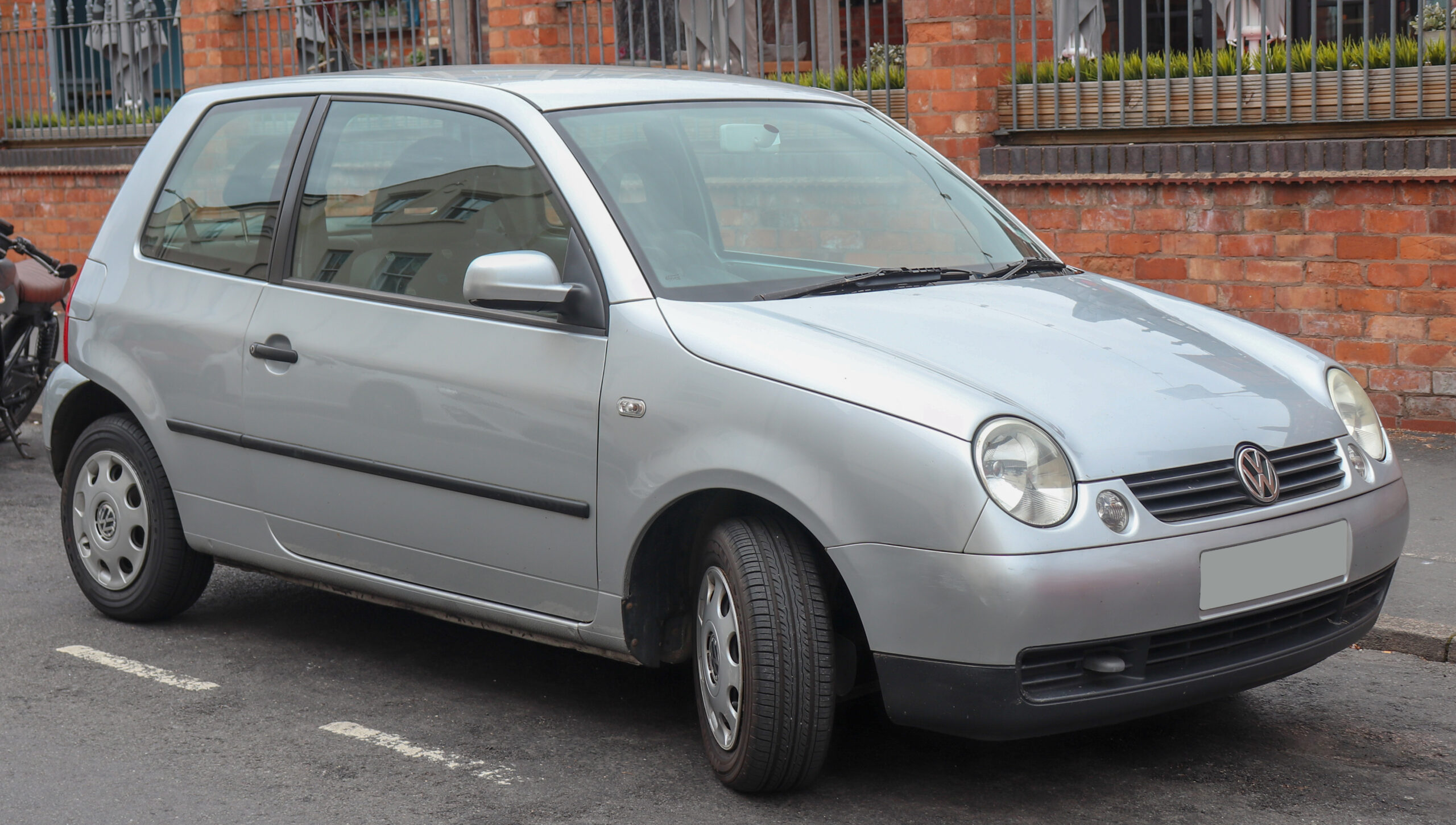
About the Volkswagen Lupo
The Volkswagen Lupo is a compact and efficient subcompact car known for its nimble handling and fuel economy.
Volkswagen Lupo recommended tyre pressure can be found on a tyre placard on the side of driver’s door or door jam, on the fuel door or in the owners manual. Tyre inflation will be listed in PSI.

Volkswagen Lupo Tyre Pressures
The Volkswagen Lupo offers a stylish and modern design with a spacious interior and advanced technology features. One of the most important aspects of owning a VW Lupo is making sure that the tyres are properly inflated. The correct tyre pressure for the Volkswagen Lupo is essential for ensuring the best performance and safety of the vehicle.
Checking regularly all tyres on your Lupo, including your spare tyre, once a month or before a long trip is recommended.
| Model / Engine | Tyre Size | Front tyre pressure | Rear tyre pressure |
| Volkswagen Lupo 1.0 | 155 70 R13 75T | 30 | 28 |
| Volkswagen Lupo 1.0 | 175 65 R13 80T | 28 | 28 |
| Volkswagen Lupo 1.0 | 185 55 R14 80H | 28 | 28 |
| Volkswagen Lupo 1.0 | 195 45 R15 78V | 28 | 28 |
| Volkswagen Lupo 1.2 TDI | 155 65 R14 75T | 33 | 30 |
| Volkswagen Lupo 1.4 | 155 70 R13 75T | 33 | 30 |
| Volkswagen Lupo 1.4 | 175 65 R13 80T | 30 | 28 |
| Volkswagen Lupo 1.4 | 175 65 R13 80T | 29 | 28 |
| Volkswagen Lupo 1.4 | 185 55 R14 80H | 30 | 28 |
| Volkswagen Lupo 1.4 | 185 55 R14 80H | 29 | 28 |
| Volkswagen Lupo 1.4 | 195 45 R15 78V | 30 | 28 |
| Volkswagen Lupo 1.4 | 195 45 R15 78V | 29 | 28 |
| Volkswagen Lupo 1.4 16V | 185 55 R14 80H | 30 | 28 |
| Volkswagen Lupo 1.4 16V | 195 45 R15 78V | 30 | 28 |
| Volkswagen Lupo 1.4 FSI | 185 55 R14 80H | 30 | 28 |
| Volkswagen Lupo 1.4 FSI | 195 45 R15 78V | 30 | 28 |
| Volkswagen Lupo 1.4 TDI | 175 65 R13 80T | 32 | 29 |
| Volkswagen Lupo 1.4 TDI | 185 55 R14 80H | 32 | 29 |
| Volkswagen Lupo 1.4 TDI | 195 45 R15 78V | 32 | 29 |
| Volkswagen Lupo 1.6 16 V GTI | 205 45 R15 81V | 32 | 29 |
| Volkswagen Lupo 1.7 SDI | 175 65 R13 80T | 29 | 28 |
| Volkswagen Lupo 1.7 SDI | 185 55 R14 80H | 32 | 29 |
| Volkswagen Lupo 1.7 SDI | 195 45 R15 78V | 32 | 29 |
Maintaining the Ideal Tyre Pressure for Your Volkswagen Lupo
Maintaining the ideal tyre pressure for your Volkswagen Lupo is crucial for your safety and the longevity of your tyres. Here are some dos and don’ts to keep in mind:
- Do check your tyre pressure regularly, at least once a month or before long trips.
- Do use a reliable tyre pressure gauge to measure the pressure accurately.
- Do adjust the tyre pressure according to the recommended pressure listed in your VW owner’s manual.
- Do check the tyre pressure when the tyres are cold, preferably in the morning before you start driving.
- Do check the spare tyre’s pressure regularly as well, since it may be called upon in an emergency.
- Don’t rely on the tyre’s appearance to determine whether it’s properly inflated.
- Don’t overinflate the tyres to increase fuel efficiency or handling performance.
- Don’t drive on underinflated tyres, as they can lead to poor handling and increased risk of accidents.
- Don’t inflate the tyres beyond the recommended pressure to improve the ride quality.
Disclaimer
This page contains the Volkswagen Lupo optimum air / tyre pressure based on UK vehicle data in PSI (lbs / Pounds per square inch) as well as the less common bar and kPa (kilopascals) values. Always refer to vehicle owner’s manual for recommended tyre pressure settings. Never overinflate or overload a tyre beyond its maximum capabilities listed on sidewall.
All data is shown for informational purposes only. TyrePressure.org does not warrant or make any representations regarding the accuracy of or the results of the use of this information.